
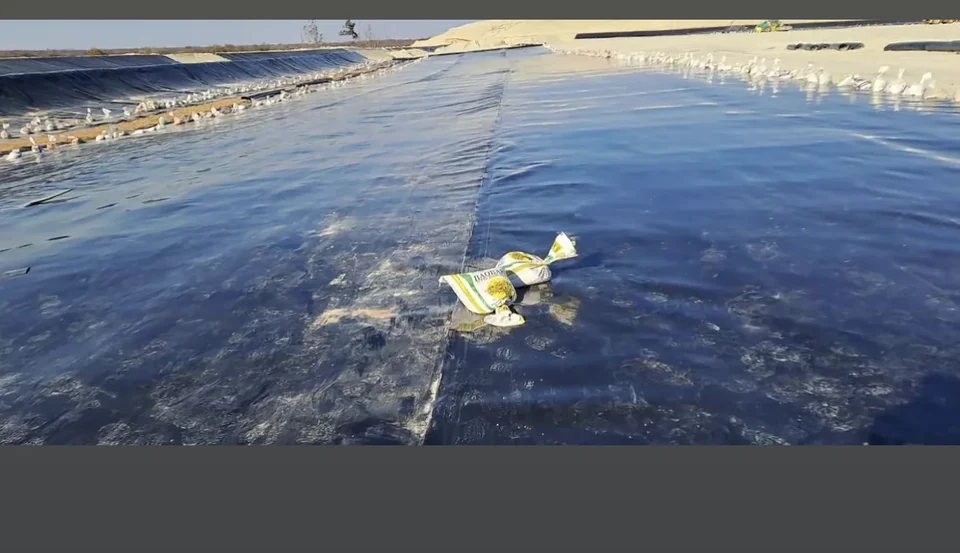
A lining system performs only when panels form a continuous barrier. Welding acceptance therefore depends on documented conditions, equipment settings, operators, trial seams, field inspection and traceable repairs—not appearance alone.
Technical problem and method
Dust, moisture, wrinkles, unsuitable temperature, poor overlap and incorrect travel speed can reduce seam continuity. Dual-track hot-wedge welding is commonly used for production seams; extrusion welding is commonly used for repairs and details. Follow the approved material and procedure.
Quality-control checklist
- Panel and seam identification
- Weather and sheet-surface conditions
- Welder, equipment and settings
- Trial seam results
- Visual and approved non-destructive testing
- Specified destructive samples
- Repair log, retesting and as-built drawing
Seam and repair traceability record
Use one record for each seam or clearly identified segment. Carry the same identifiers through the seam layout, test reports, repair log and as-built drawing.
- Keep trial-seam references separate from production tests and identify the reports required by the approved quality plan.
- Record repairs against the original seam or segment, then link the retest result and drawing revision.
- Keep unresolved items visible until the responsible reviewer records the acceptance decision.
Download blank seam and repair record (CSV)
Blank site template. Complete against the approved project quality plan; it does not set acceptance limits or certify a seam.
Installation cautions
Do not weld through contamination or trapped moisture. Avoid overheating and excessive grinding. Patch authorized destructive samples and retest repairs. Acceptance frequency and values must follow the project specification.
Product and case
Review HDPE smooth geomembrane and the tailings liner case.
Frequently asked questions
Can visual inspection replace seam testing?
No. It cannot alone verify continuity or required strength.
Why are trial seams required?
They verify the equipment, settings, operator and current conditions before production.
Request welding documentation
Send membrane type, thickness, seam method, standard, records, quantity and destination.
Standards and project approval
ASTM D4437/D4437M-16(2023) — nondestructive seam integrity methods covers nondestructive seam testing. ASTM D6392-25 — thermo-fusion seam peel and shear tests covers destructive testing for nonreinforced geomembranes. The project quality plan must identify the applicable method, sampling frequency and acceptance criteria for the membrane and seam system.
Discuss the membrane, seam method and required test documentation before setting the acceptance plan.
References checked: 9 October 2026. A referenced standard identifies a method or scope; product conformity is confirmed by the applicable test report.