


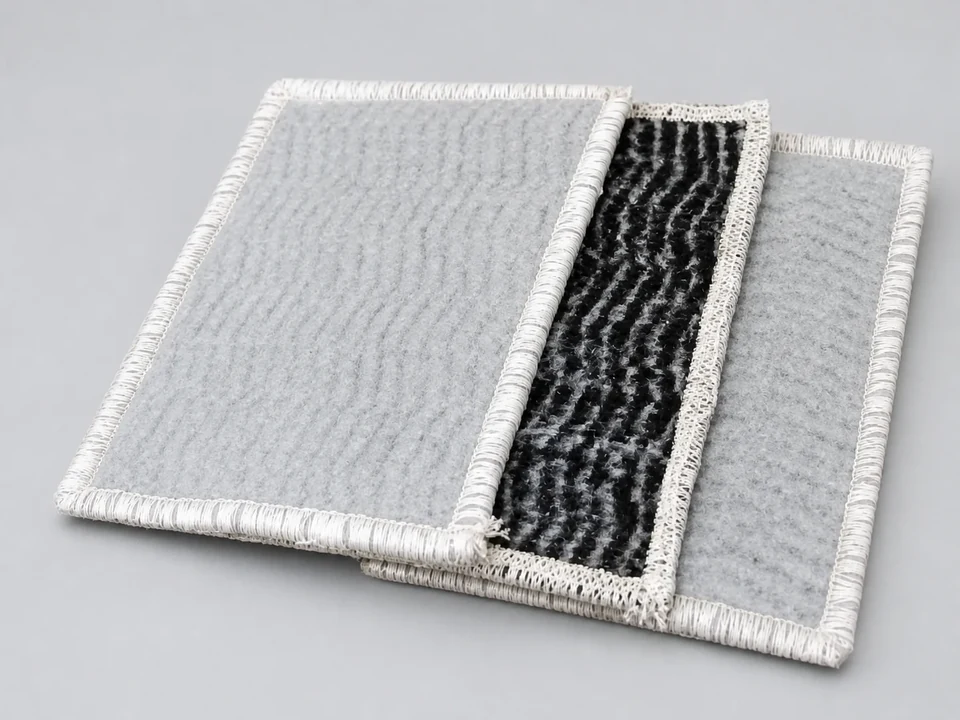
Geosynthetic Clay Liner
Needle-punched sodium-bentonite composite barrier for landfill, water and environmental containment systems.
View details →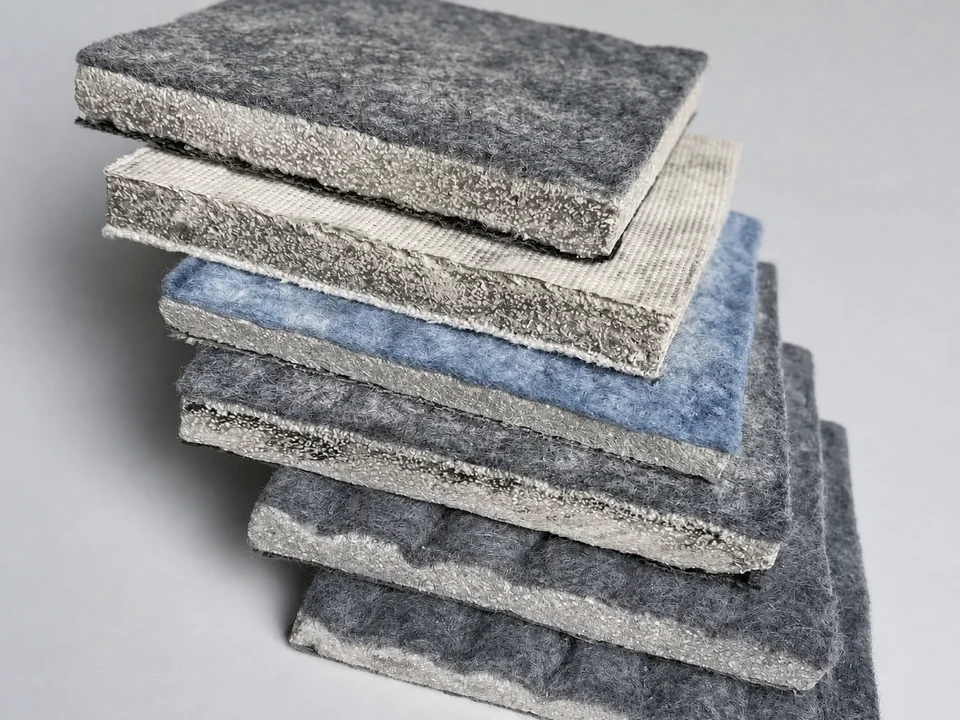
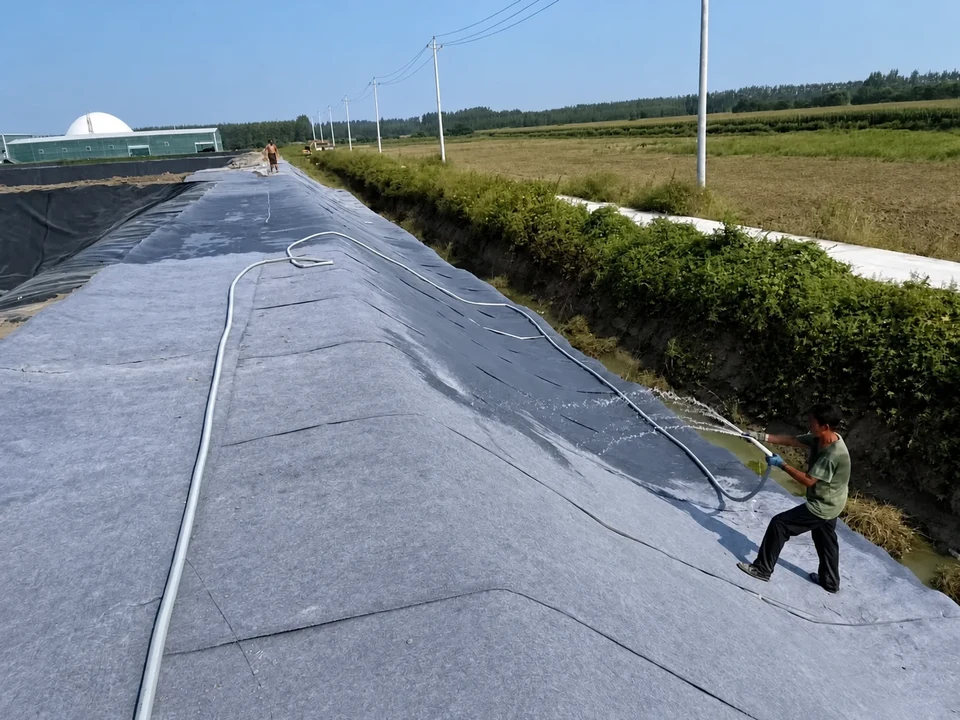
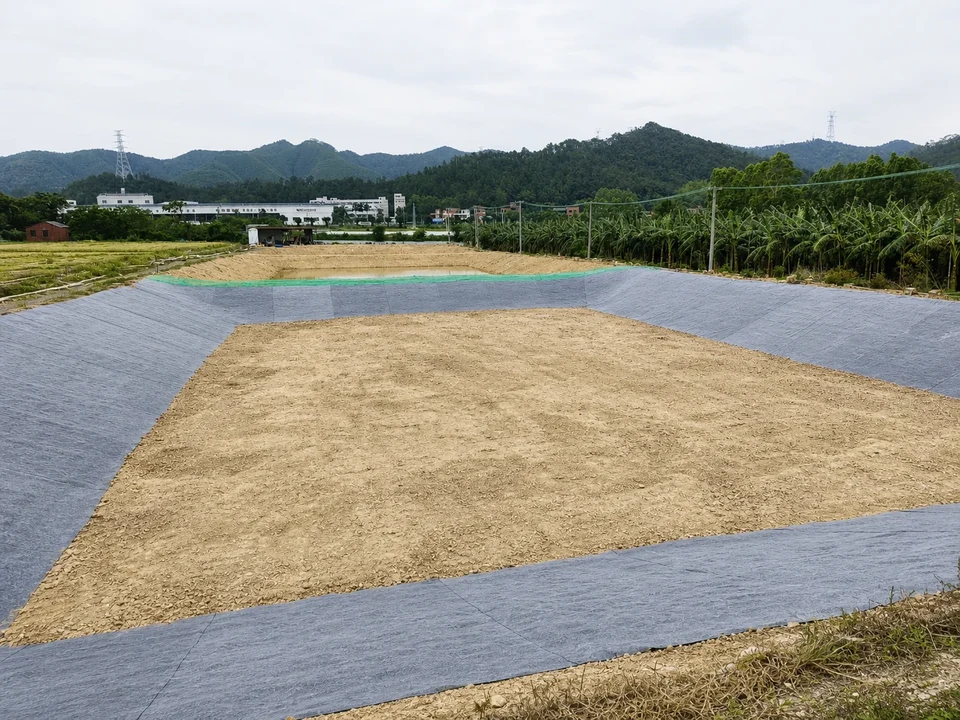
Flexible cementitious rolls for channel lining and slope protection.
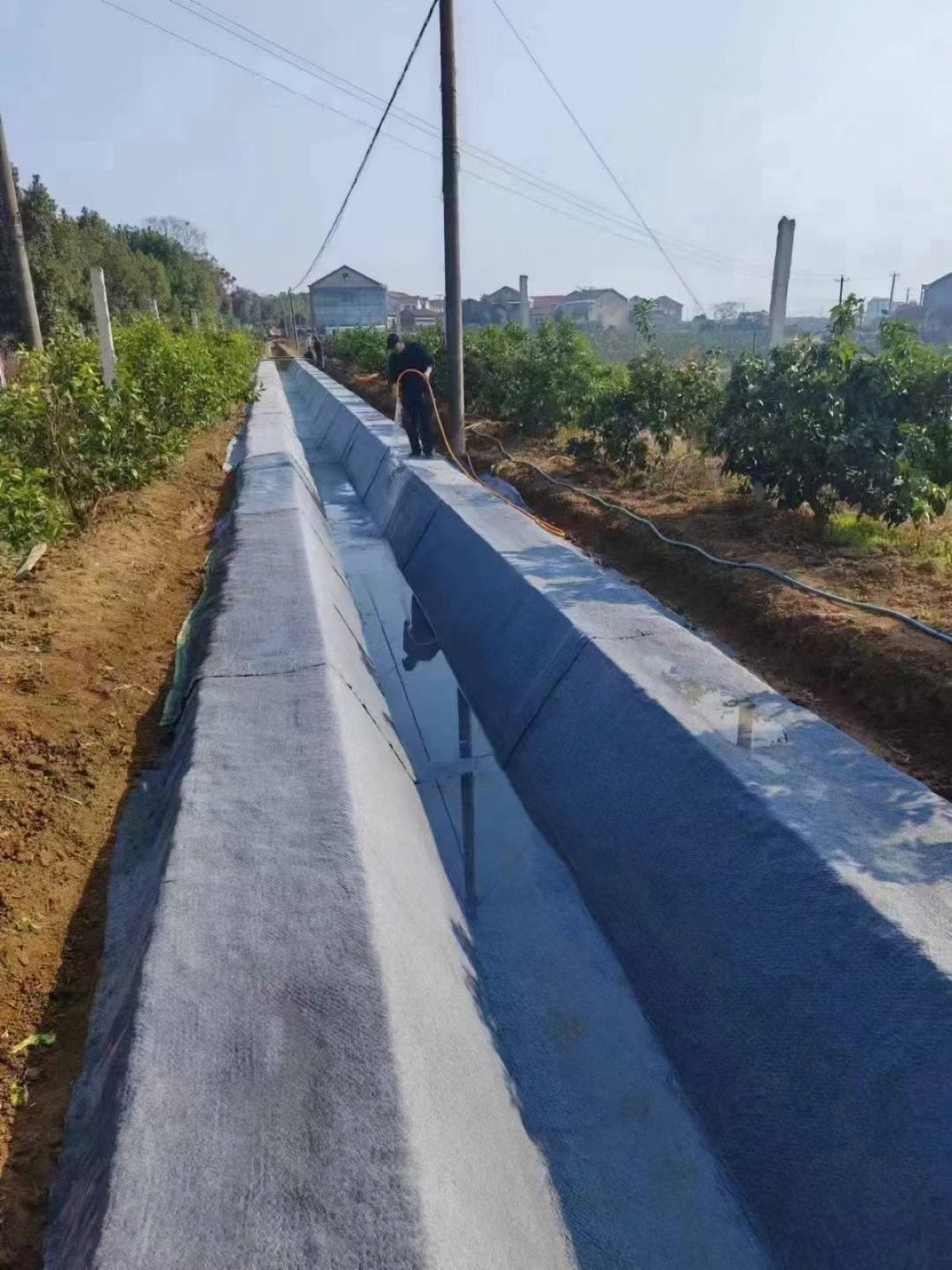
Flexible rolls follow the prepared channel profile, then harden after hydration.
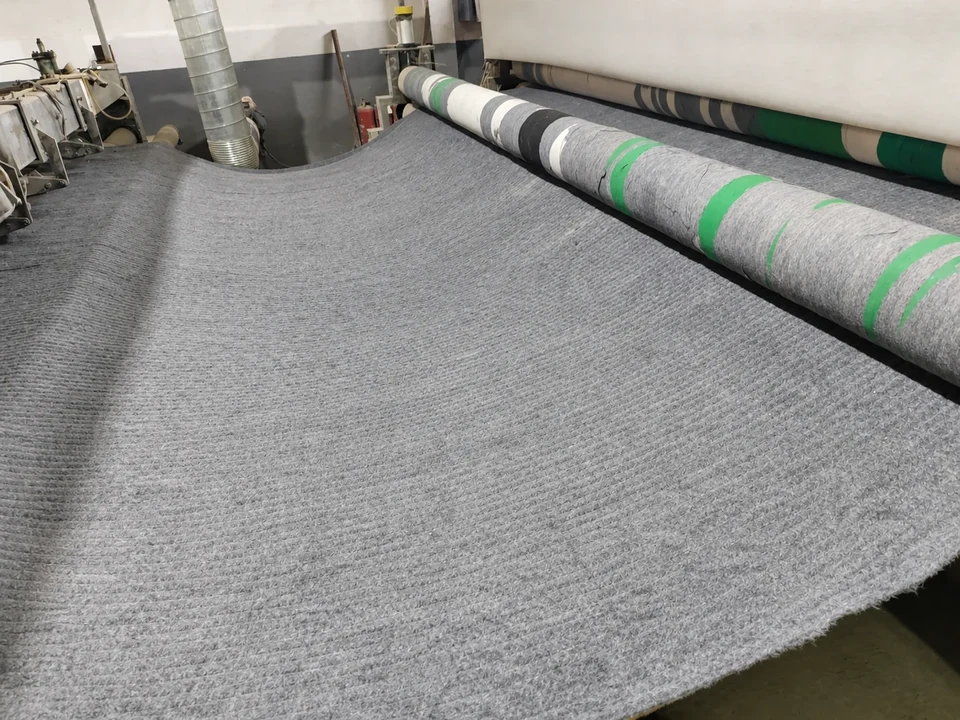
See the installed lining, roll preparation and layered material in the application case.
View the channel lining caseMass per area is not thickness. Superior and qualified grades have different flexural requirements; general and waterproof types have different water-resistance requirements. Compare the technical tables.
Cement blanket is a water-activated geosynthetic cementitious composite mat (GCCM). It is supplied as a flexible roll containing a dry cementitious mix within a reinforcing fiber matrix. After the material is positioned, fixed and hydrated, it hardens into a thin, durable cementitious lining that conforms to the prepared surface.
VABREN manufactures and supplies cement blanket (also known as concrete blanket) in China.
The upper fiber surface receives hydration water, the three-dimensional matrix retains and reinforces the cementitious mix, and the backing layer helps control water loss and seepage according to the selected construction. The layers work as one system; thickness alone does not determine final performance.
Typical applications include ditch and channel lining, slope erosion protection, culvert lining, berms, spillways, drainage outlets, mine and industrial drainage, temporary or emergency erosion works, weed suppression and remediation of selected existing concrete surfaces.
Select the material around the hydraulic condition, expected flow velocity and debris, slope angle, substrate, abrasion, chemical exposure, freeze-thaw environment, required impermeability, access and lifting limits, joint detail, anchorage and design life. A thicker grade is not automatically the correct solution for every project.
The following requirements are taken from the supplied needle-punched cement blanket performance schedule. Select the nominal mass grade and quality category before confirming the order specification.
| Nominal mass grade | Superior product | Qualified product |
|---|---|---|
| 15 kg/m² | ≥2.0 MPa | ≥1.5 MPa |
| 12 kg/m² | ≥1.8 MPa | ≥1.3 MPa |
| 10 kg/m² | ≥1.6 MPa | ≥1.1 MPa |
| 8 kg/m² | ≥1.4 MPa | ≥0.9 MPa |
| 6 kg/m² | ≥1.2 MPa | ≥0.8 MPa |
| Property | Specification requirement |
|---|---|
| Mass per unit area | Not less than 92% of the nominal value |
| Peel strength | ≥30 N/m |
| Tensile strength | ≥7.0 kN/m |
| Impact resistance | No visible cracks or damage |
| Water resistance | General type: slight seepage. Waterproof type: no wet marks or water droplets on the back of the specimen. |
| Freeze-thaw resistance | No visible cracks, spalling or powdering; reduction in flexural strength ≤20%. |
| Reaction to fire | Not lower than Class B1 specified in GB 8624, as stated in the supplied schedule. |
These are specification requirements, not measured batch test results. The source schedule does not state test methods, test age, water pressure or duration, freeze-thaw cycles or the edition of GB 8624. Confirm the applicable conditions and supporting documents for the selected order. The listed reaction-to-fire requirement does not establish certification.
Overlaps may use screws, approved sealants or other project-specific joint systems. Fixings and anchor trenches must resist hydraulic uplift and site loads without damaging the mat. Upstream laps, terminations, penetrations and transitions require particular attention because installation detailing often governs long-term serviceability.
Apply water across the fiber surface until the material remains visibly and tactilely wet in accordance with the approved instructions. Hot, windy, sunny or low-humidity conditions can increase early water loss and may require additional hydration and protection. Do not rely on rainfall, and do not use high-pressure jets that wash out cementitious material.
Keep rolls sealed, elevated and dry until installation. Plan lifting around the roll weight and approved lifting beam or handling equipment. Cutting and hydration work should follow the current safety data sheet, site risk assessment and appropriate PPE requirements for cementitious products.
Before covering or handover, check substrate preparation, panel orientation, overlaps, fixings, edge terminations, penetrations, hydration coverage and visible damage. Any required thickness, mass, flexural, compressive, impermeability or durability evidence must be stated in the purchase specification and verified against the selected factory grade.
Review subgrade preparation, joints, fixings, uniform hydration and protection during curing with the product requirements.
Read the cement blanket installation, hydration and curing guide →Made to specification: Most products are made to order according to the required specifications. Send the product, dimensions, grade and quantity for confirmation.
Production cycle: The production cycle for most orders is approximately 15 days. The schedule for the selected product and quantity is confirmed in the quotation. Production time does not include transport to the destination.
Minimum order quantity: The minimum order quantity varies by product and specification. Contact us with your requirements to confirm the quantity for your order.
Samples: Samples are provided free of charge; the customer pays the sample shipping costs. The sample type and size are confirmed according to the product requirements.
Specification not final? Send your application, quantity and destination.
Email any drawings or specifications to info@vabren.com. Include the product, quantity and destination so we can match them to your inquiry.
Needle-punched sodium-bentonite composite barrier for landfill, water and environmental containment systems.
View details →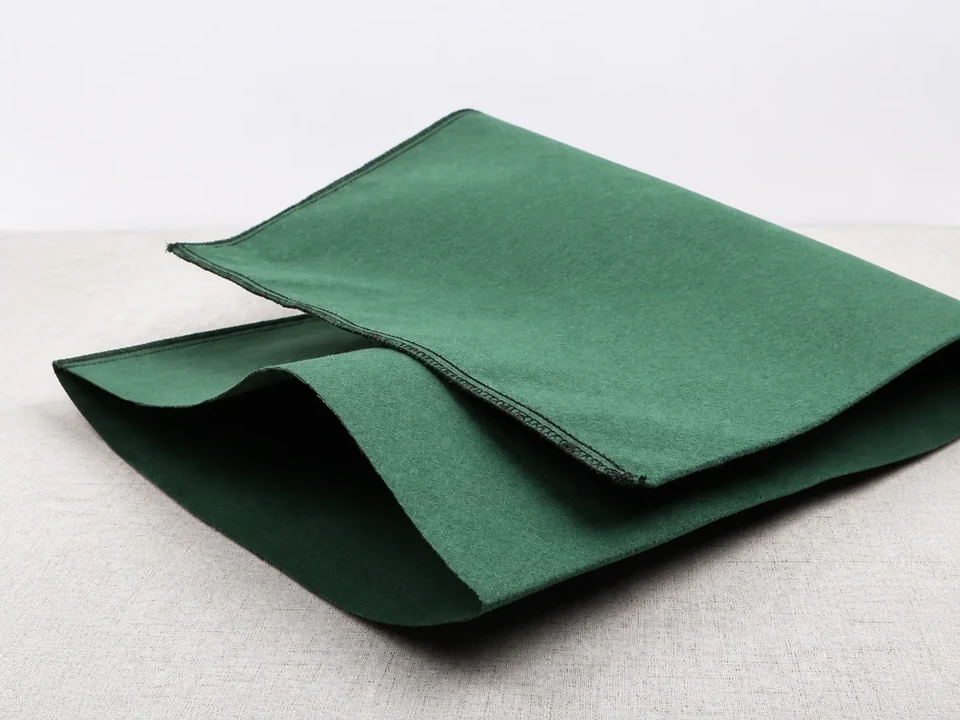
Permeable geotextile bag system for vegetated slope stabilization, erosion control and ecological restoration.
View details →