
“HDPE geomembrane, 1.5 mm, please quote” is a common starting point, but it leaves several decisions open. Is the liner going on a slope? Does the drawing call for a textured face? Will the site need narrow rolls because of limited access? Those answers affect what can be quoted and delivered, even when the nominal thickness is the same.
VABREN works from customer-provided designs and specifications. The more clearly an RFQ separates fixed design requirements from open questions, the easier it is to review material, roll dimensions, testing and delivery as one order.
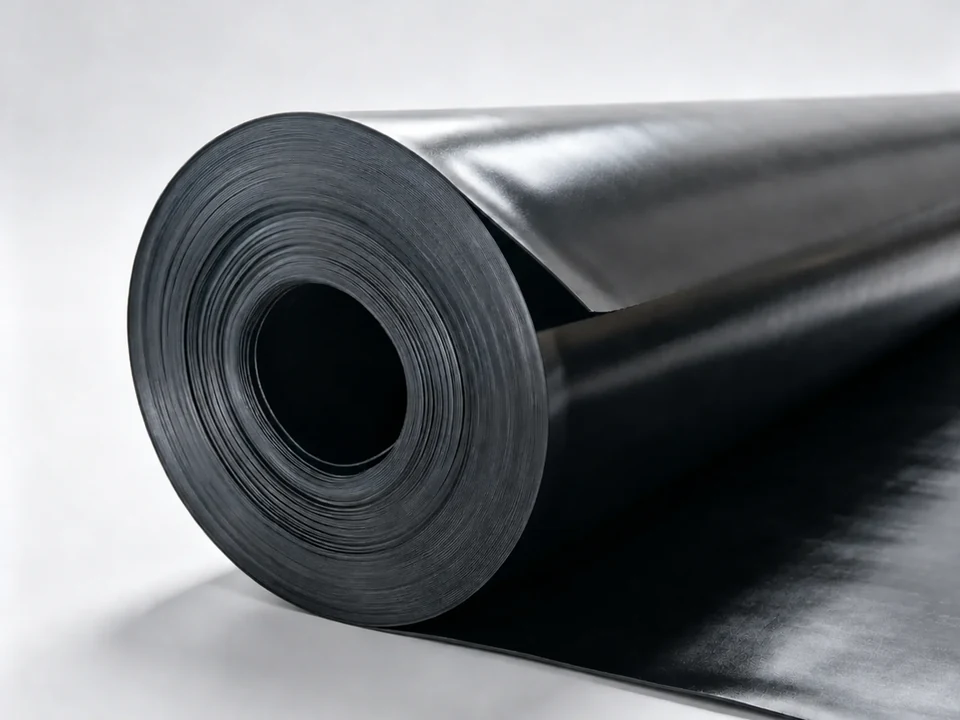
Start with the project design and service conditions
Send the latest lining drawings and explain the application: water storage, aquaculture, wastewater, mining or another containment system. Identify the lined area, slopes, anchor details, penetrations, exposed or covered service, and the materials that will contact the geomembrane. If the design mentions chemicals, temperature or unusual site conditions, include those requirements rather than assuming a general-purpose sheet will be suitable.
The design engineer should define the system’s performance and acceptance criteria. The manufacturer can then review the proposed sheet configuration and production requirements against that design.
Specify the sheet, not just its nominal thickness
State whether the design calls for smooth HDPE geomembrane or textured HDPE geomembrane. For textured material, identify whether one or both sides require texture and which adjoining layer each face will contact. Surface selection is particularly important where the design relies on interface behavior on a slope.
Include the required nominal thickness, tolerances, roll width and length if these are fixed by the contract. If roll dimensions are open, provide the site geometry, access limitations and handling plan so a practical roll configuration can be discussed. A wider roll may change the number of field seams, but unloading and deployment constraints also matter.
Make testing and documentation part of the RFQ
Name the required standard and edition, then list the specific test properties and acceptance values requested by the project. For example, GRI GM13, Revision 19 covers smooth and textured HDPE geomembranes with nominal thicknesses from 0.75 to 3.0 mm and a formulated sheet density of at least 0.940 g/cm³. That is the scope of this particular specification, not a recommended thickness for every project or a limit on what a factory may manufacture. A project may also require additional tests, installation procedures or acceptance records. Do not treat a standard name alone as a complete project specification.
Tell the supplier which documents must arrive with the order: a product data sheet, roll or batch identification, manufacturing test results, any contract-required certificate, packing list and inspection records. A sample report is useful during review, but the final documents should identify the material actually supplied.
Confirm quantity, packing and installation handoff
Provide the estimated lined area and planned order quantity, along with the destination, delivery schedule and packaging requirements. Note any limits on roll weight, unloading equipment or storage at the site. If a separate contractor will install the liner, ask which roll labels, drawings and test records they need before work begins.
Illustrative RFQ calculation: Suppose a buyer requests 1.5 mm smooth HDPE in proposed 6 m × 50 m rolls for an estimated 10,000 m² order. One roll represents 300 m² of gross sheet area, so 34 rolls would supply 10,200 m² before seams, trimming, slopes or damage allowance. These are example inquiry figures, not VABREN stock dimensions or a project takeoff; the final quantity and roll plan need to follow the drawings and site handling limits.
A roll can meet the specified material tests and still be awkward to unload or deploy. Site handling belongs in the quotation discussion, not just the installation meeting.
Copy this HDPE geomembrane RFQ checklist
| Item | Information to provide |
|---|---|
| Project | Application, location, drawings, lined area, slopes and service conditions |
| Material | Polymer requirement, smooth or textured surface, face orientation, thickness and tolerances |
| Roll plan | Requested width and length, panel plan, site access and handling limits |
| Performance | Standard and edition, test methods, required values and sampling basis |
| Documents | Data sheet, batch tests, roll identification and contract-required certificates |
| Order | Quantity, destination, packing, schedule and any sample approval step |
What should be confirmed before production?
Mark the requirements the engineer has already fixed, then list the points on which you want the manufacturer to advise. Before releasing the order, put the agreed sheet specification, tests, documents and delivery terms in writing. Procurement can compare quotations on that basis, and the installer can check the rolls against the same record.
To discuss a project-specific geomembrane, Get a Factory Quote. If some parameters remain undecided, identify them in the inquiry so they can be reviewed with your project team.