Cold Mix Asphalt for Pothole Repair
VABREN CL-13 is a ready-mixed cold patch for localized asphalt pavement repairs, supplied with a nominal maximum aggregate size of 13.2 mm. Place and compact it without on-site heating.
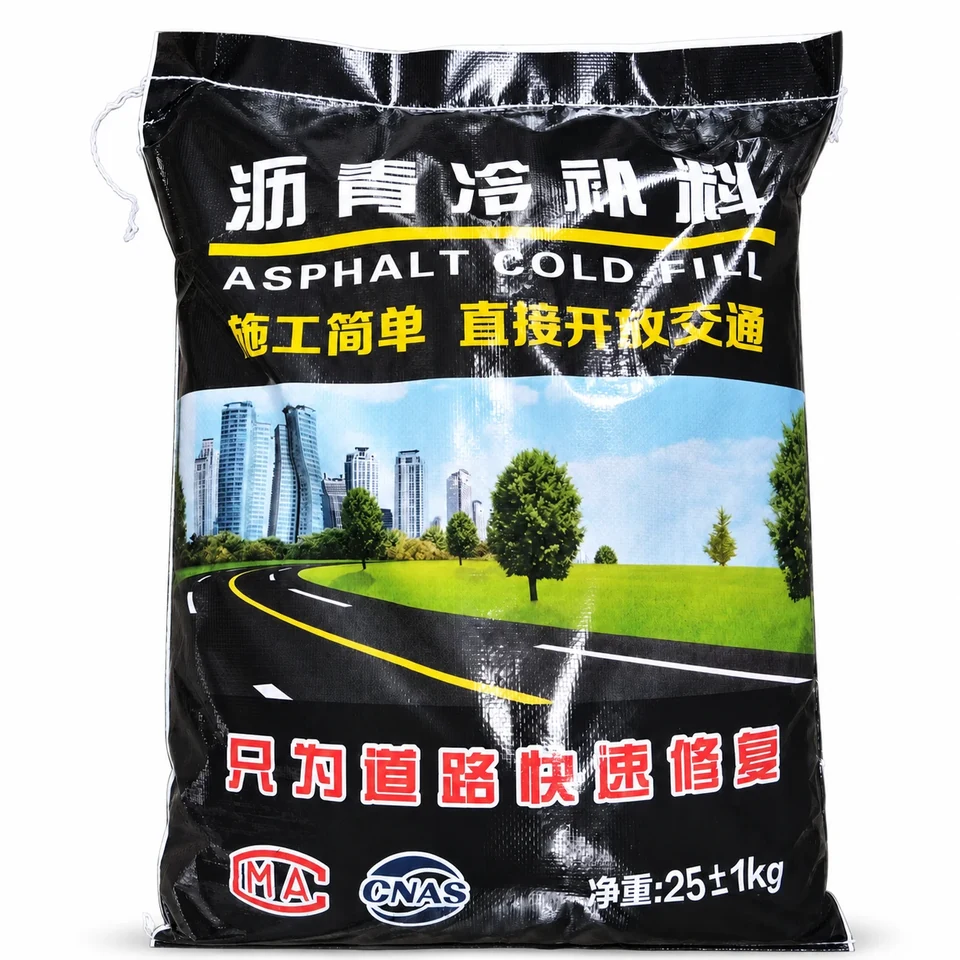

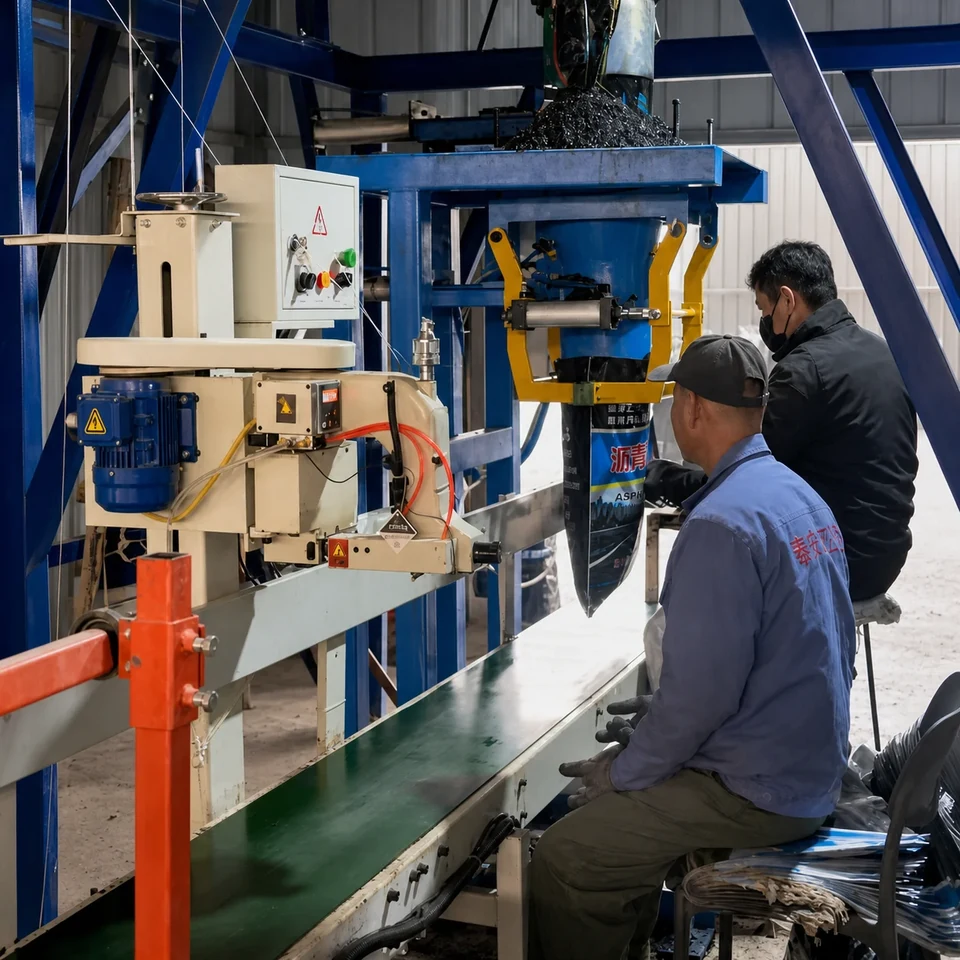
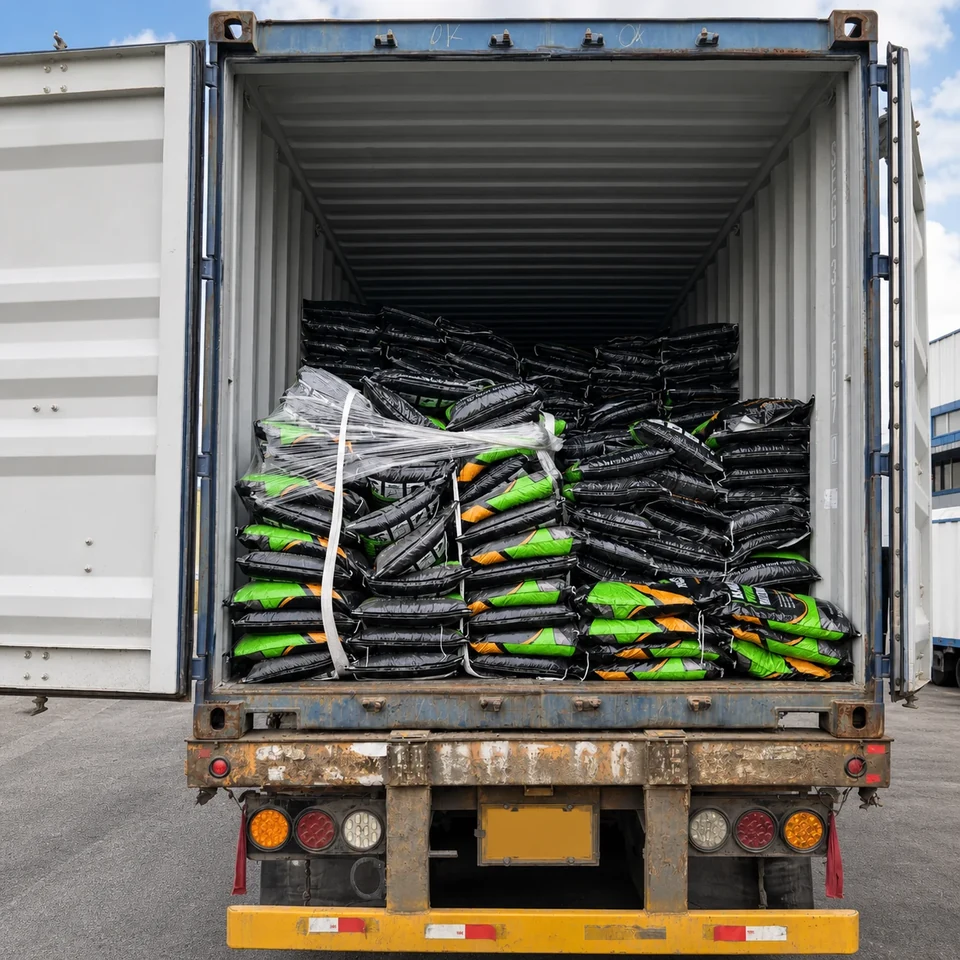
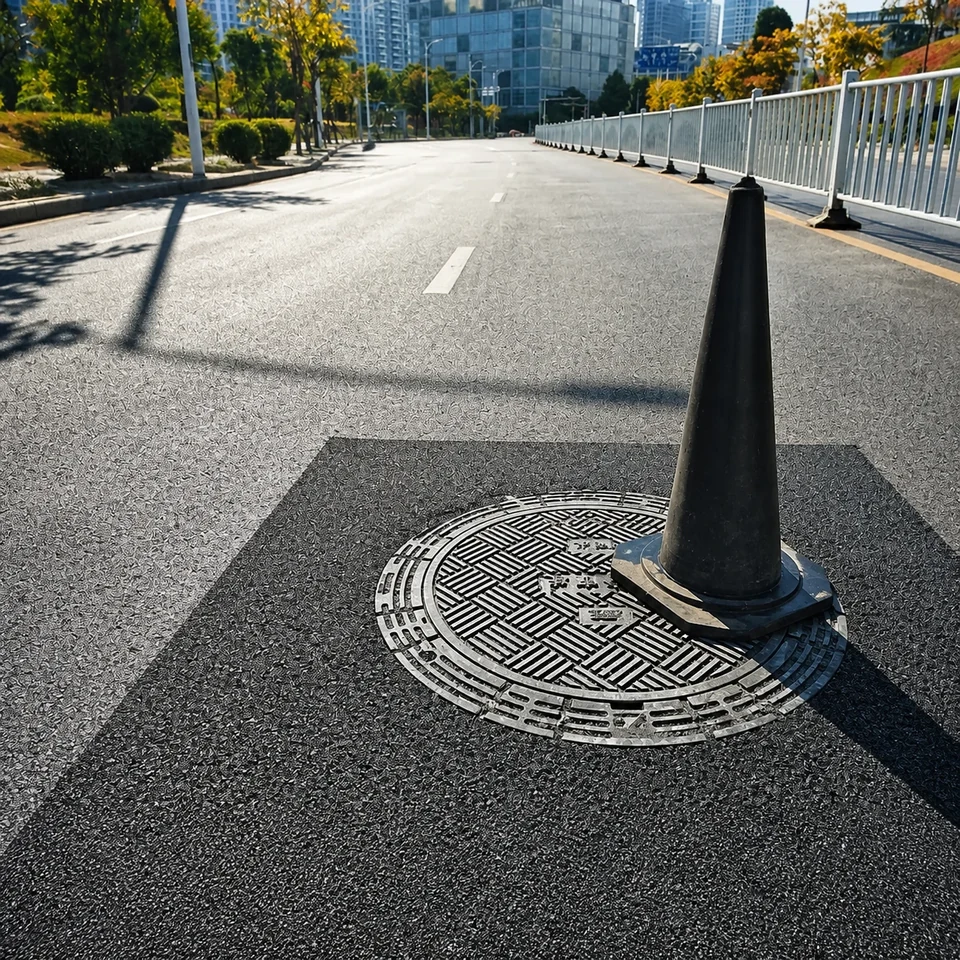
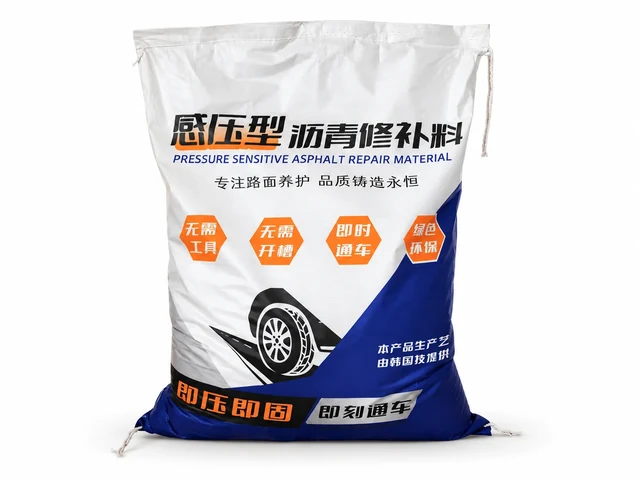
The gallery shows packaging, bagging and loading scenes, plus an application illustration. Match current packing to the order. Traffic reopening requires adequate compaction and surface stability.

Cold mix asphalt workshop
Explore the workshop layout, packaging equipment and bagged materials.
Explore the Workshop in 360°CL-13
- Nominal maximum aggregate size
- 13.2 mm
- Packaging options
- Sealed bags, bulk bags and custom packaging (25 kg / 2 t)
- Minimum order
- 2 t (2000 kg)
- Dispatch lead time
- Up to 15 days; transit time is additional
- Sealed shelf life
- 12 months under the TDS storage conditions
CL-13 supply and technical data
Manufacturer-declared requirements and reference ranges, not measured batch results. Agree test methods and specimen conditions where project acceptance testing is required.
| Property | Declared requirement |
|---|---|
| Grade | CL-13 |
| Material type | Solvent-based cold mix asphalt cold patch |
| Nominal maximum aggregate size | 13.2 mm |
| Loose bulk density, before compaction | 2.10–2.30 t/m³ |
| Compacted density, after rolling | 2.35–2.45 t/m³ |
| Declared placement temperature | −20°C – +50°C |
| Sealed shelf life | 12 months under the TDS storage conditions |
Confirm site conditions and grade workability. Remove ice, snow, mud and standing water before placement.
Declared performance requirements
| Property | Declared requirement |
|---|---|
| Appearance | Black, loose granular mixture without caking or visible contamination |
| Aggregate and binder adhesion | Grade 5 |
| Penetration strength | 0.5–4 kgf/cm² |
| Marshall stability | ≥3 kN |
| Retained Marshall stability after immersion | ≥85% |
| Freeze-thaw tensile strength ratio | ≥70% |
| Rutting dynamic stability | ≥800 cycles/mm |
JT/T 972-2015 is the product reference. Historical reports retain their actual test methods and dates; agree current procedures for new tests. See the TDS standards note. A listed standard is not a product certification.
Cold mix asphalt technical documents
CL-13: nominal maximum aggregate size 13.2 mm; supplied in 25 kg sealed bags. The TDS lists declared specification requirements, not batch test results. Confirm the supplied grade and matching documents with the order.
Asphalt cold patch MSDS
View summary · Request MSDSLocalized pavement repair
For potholes, utility cuts and pavement edge repairs on asphalt roads, industrial yards and parking areas. Review heavy traffic, concrete substrates and recurring structural failures against the project repair method. Correct weak base material and drainage problems before repeated patching.
Placement and traffic reopening
- Inspect the defect and prepare sound supporting material and edges.
- Remove loose material, mud, ice, snow and standing water. Apply tack coat only where the approved procedure requires it.
- Place in controlled lifts matched to repair depth, aggregate size and compaction equipment; allow sufficient loose overfill.
- Compact systematically from the perimeter towards the centre using an appropriate plate compactor, rammer or roller.
- Reopen after adequate compaction and a stable surface approximately flush with the surrounding pavement; follow site traffic-control requirements.
How much cold patch is needed?
Use compacted density to estimate a finished repair. Loose bulk density describes material in the bag and must not be substituted for compacted density.
Approximate loose volume in one 25 kg bag: 0.0109–0.0119 m³.
Worked example: a 1 m × 1 m pothole, 40 mm deep
- Compacted repair volume
- 1.00 × 1.00 × 0.04 = 0.04 m³
- Estimated mass, using 2.40 t/m³ and a 15% planning allowance
- 0.04 × 2.40 × 1.15 = 0.1104 t = 110.4 kg
- 25 kg bag requirement, rounded up
- 110.4 ÷ 25 = 4.416 → Prepare 5 bags for this example
The 15% allowance is an example for planning, not a fixed wastage or compaction factor. Adjust for actual geometry, handling and site conditions. This estimates site consumption; the minimum purchase is 2 t.
Order quantities, packing and delivery
- Minimum order
- 2 t (2000 kg)
- Standard sealed bag
- 25 kg
- Bulk bag option
- 2 t (2000 kg)
- Reference loading for a 20 ft container
- 26 t / 20 ft
- Dispatch lead time
- Up to 15 days; transit time is additional
Custom packaging available; confirm artwork and packing with the order
Confirm final net loading with the packing, container payload, carrier and route requirements. No pallet count or shipping transit time is implied.
Keep packaging intact in a cool, dry, ventilated store, protected from rain, excessive heat and crushing. The sealed 12-month shelf life follows the TDS conditions. Follow the supplied MSDS for handling and safety information.
Common purchasing questions
Can it be placed into standing water?
Remove standing water before placement. A water-filled repair requires a suitable grade with matching evidence and written instructions.
Can I request a sample?
Samples are free; the customer pays sample freight. Confirm the sample type and available quantity with your quotation.
Are these batch test results?
The table lists declared requirements and reference ranges. Request the matching batch or order test documents where required.
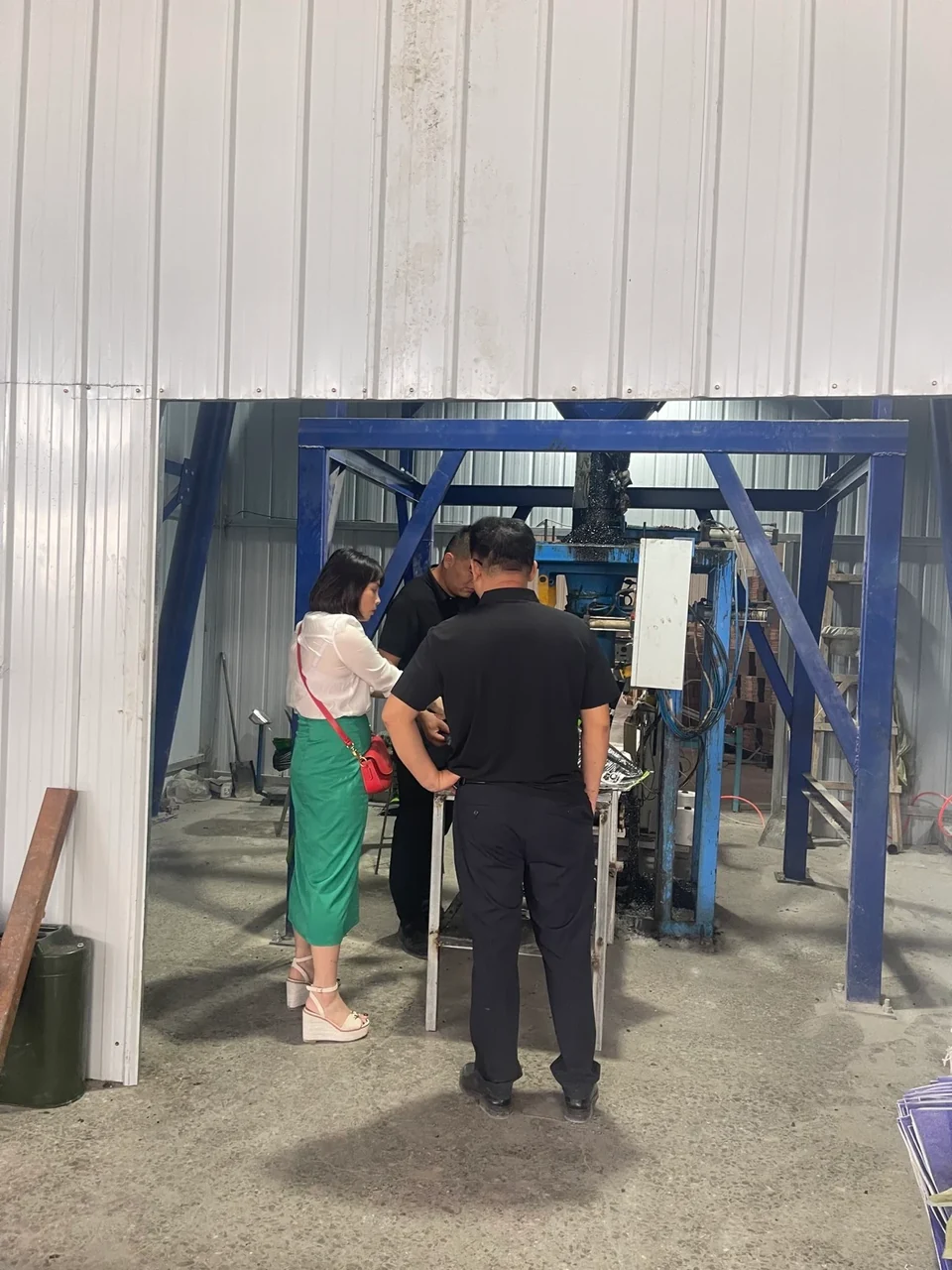
CUSTOMER VISIT · VIETNAM
Inside our cold mix asphalt production facility
See the workshop visit and product discussions with Vietnamese customers.
Report documents
Test report
SIM-20260729-14 · CL-13 · 25 kg
Safety data sheet (MSDS)
2026020676E · Asphalt cold patch
PROJECT INQUIRY
Request a specification and quotation
Send the required quantity or repair dimensions, destination country or port and lowest placement temperature. Add traffic duty and wet or dry conditions if available.
Details to include with your inquiry
Send the pavement type, pothole or utility-cut area and depth, traffic conditions, placement temperature, package preference, estimated quantity, destination and any project specification. We will review the suitable grade and packing before quotation.
Send project drawings and specifications to info@vabren.com. Include the product name, quantity and destination so we can match your documents to the inquiry.
WhatsApp: +86 133 5538 7555